
What should buyers know first?
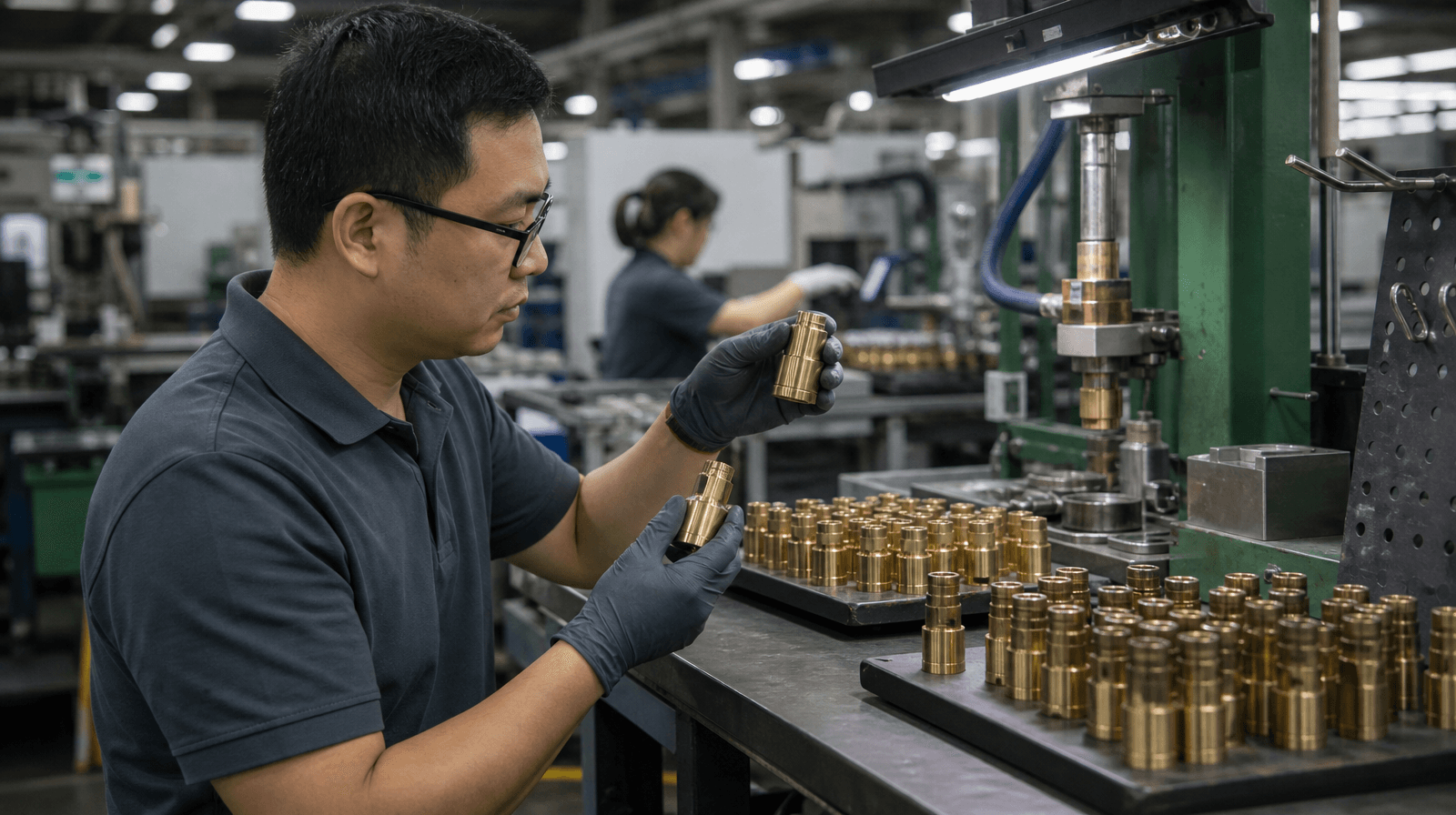
A during-production inspection reviews completed units and work in progress while the factory can still correct the run. It compares output with the approved specification, tracks defect patterns and verifies whether corrective actions are working.
For: Buyers managing higher-risk, time-sensitive or first-time production orders.
Key planning facts
- Useful stage
- After enough units exist to reveal process consistency
- Evidence
- Sampled units, process observations, defect counts and photos
- Decision
- Continue, correct, rework or escalate
What to take into the project
- Inspect early enough to permit correction.
- Measure defects by type and location.
- Verify corrective action on subsequent units.
Choose the inspection window
Schedule after the process is established but before most units are complete; the exact timing depends on product and production method.
Trace defects to the process
Separate isolated workmanship issues from repeatable material, tooling or instruction problems.
Confirm recovery
Document action owners, rework scope and the evidence required before normal production continues.
Frequently asked questions
What production percentage is best?
There is no universal percentage; choose timing based on process stability, product risk and correction time.
Does it replace final inspection?
No. A final check confirms finished quantity, packaging and release status.
Can it prevent delays?
It can expose issues earlier, but it cannot guarantee the supplier will avoid delay.
Official sources
U.S. Customs and Border Protection: Importing into the United StatesU.S. International Trade Commission: HTS searchInternational Trade Centre: Trade Map and market resourcesContinue planning
Change log
2026-08-27 Guide reviewed against current procurement workflow and linked sources.
Regulatory, safety, tax and contract decisions require confirmation from the responsible authority or qualified adviser.